The customer spotlight email, built from one real order
A testimonial is a quote about you. A spotlight is a portrait of them, which is a longer read and a much better one.
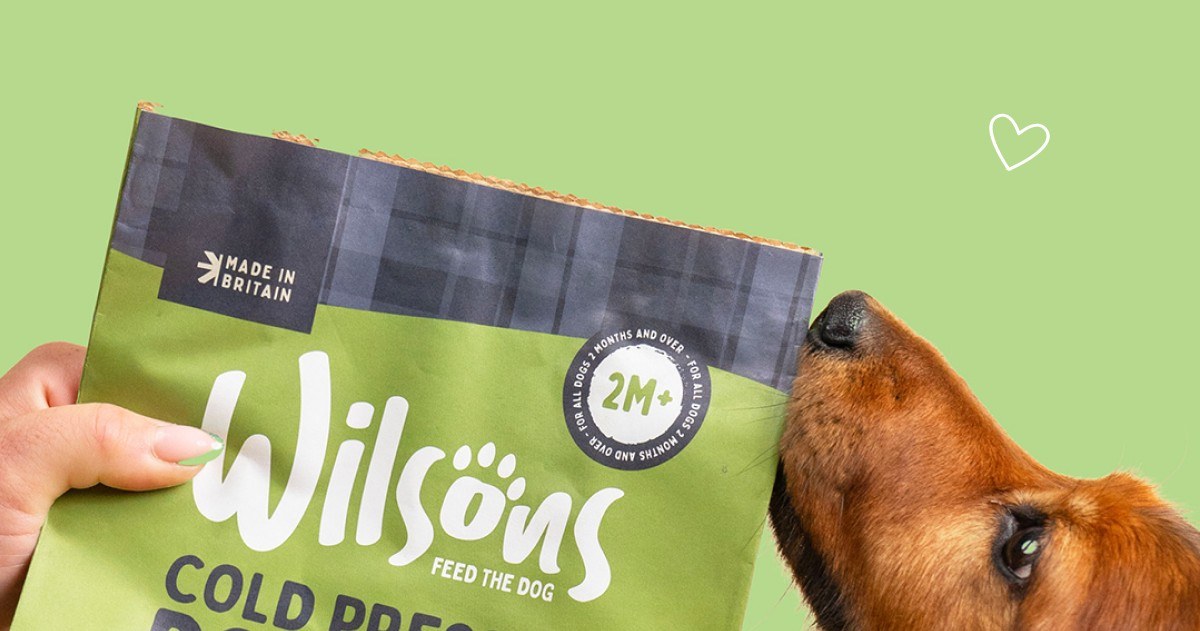

The customer spotlight is the long form cousin of the testimonial. Instead of a quote about the product, you profile one person and what they were trying to do. Every reader in the same situation then has somewhere to recognise themselves.

A portrait, not a quote
A testimonial answers a doubt. A spotlight answers something else: do people like me buy this. Nobody says that one out loud, and it stops more sales than any feature objection you'll ever handle.
So the subject of the email is your customer, not your product. Their situation, what they tried before, what worried them, what they do now. The product turns up where it actually turned up in their life, usually somewhere in the middle.
Choose for recognisability, not for enthusiasm
Your most enthusiastic customer is usually the least useful one. Their situation is unusual. Their enthusiasm can't be repeated either. Pick somebody ordinary, whose circumstances a big chunk of your list would recognise straight away.
- Their situation is common in your customer base, not an edge case you found interesting
- They tried something else first, which gives the story a middle
- They can describe a specific moment instead of a general feeling
- They're willing to be photographed, or to send their own photographs, which doubles the campaign's reach
Two spotlights a quarter, each drawn from a different segment of your customer base, will cover more of your list than twelve drawn from whoever replied first.
Twenty minutes on a call beats a form every time
A written questionnaire gets you short, careful answers. A phone call gets you the sentence you'll build the whole email around, usually about eleven minutes in, when they stop performing and start describing.
That send is the compact version: three customers with their own photographs of the finished job. A full spotlight takes one of those three and runs it long. Worth doing when the story has a real beginning and an end. Not just a verdict.
Their words in the middle, yours at the edges
| Section | Whose voice | Length |
|---|---|---|
| The situation | Yours, setting it up | Two sentences |
| What they tried | Theirs, quoted | A paragraph |
| What changed | Theirs, quoted | A paragraph |
| What they use now | Yours, with one product link | A line |
Publish their first name and something that places them. A county, a trade, the age of the dog. Anonymous stories read as invented, and the detail that makes somebody real costs you nothing once you've asked for it.
Match the spotlight to the segment it describes
The whole value here is recognition, so blasting every spotlight to the whole list throws most of it away. Match the customer's situation to the segment that shares it, and send it there first.

So: a spotlight per customer type per quarter, each one sent to its own segment, with the whole list seeing maybe one of them. More work than a single broadcast, and it performs several times better. That's the trade every account we run makes.
Look at who replied to your last review request
The people who wrote more than a sentence in your last review request are your shortlist, already self selected. Most brands never read past the star rating. That's where these campaigns go to die.
Pick two, ring them, and ask what they were doing before they found you. If the answer takes more than a minute, you've got a campaign, and probably a page worth building around it as well.
Alex Gregoriades
Operations director at Engage Commerce, where he runs the accounts the writing comes out of.
FAQs

How is a customer spotlight different from a case study?
Length and audience. A case study lives on the site, carries figures and gets read by somebody deep in research. A spotlight is an email, runs to a few hundred words, and gets read by somebody who wasn't researching anything when it landed.
Do we need to pay or gift customers for taking part?
No, and it's better if you don't, because an incentive changes what people say and has to be disclosed. Most customers say yes because they enjoy being asked. Send something afterwards as a thank you if you want to, unannounced.
What if the customer wants to see the email before it goes?
Show them, always, and offer it even when they don't ask. It costs you a day, it heads off the one complaint that would make you stop running these, and people often add a better detail when they read it back.
How long should a customer spotlight email be?
Around three hundred words in the body, with their quotes taking most of it. Anything longer belongs on a page, with the email carrying the opening and a link, because the format loses its intimacy the moment it needs a scroll bar.
Profile the person, mention the product
A customer spotlight works because your reader is looking for somebody like themselves, not for a verdict on a product. Choose people whose situation is common, interview them by phone, keep their words in the middle of the email and yours at the edges, then send each one to the segment that shares the situation. It answers the question nobody asks out loud.
Campaigns that are not discounts
One campaign type per post: what it is for, who it is sent to, and how to build it without reaching for a code.
The crossword email, and whether a puzzle belongs in your programme
A puzzle in an inbox is a genuine novelty. It's also a real production cost, and it earns its place in a handful of programmes.
Read it
The comparison chart email for a range nobody can choose between
When two of your own products look interchangeable, the customer settles it by buying neither. A chart is how you unblock that.
Read it
The community spotlight email, when your customers already talk to each other
Some categories have a conversation running whether you join it or not. Pointing at it beats trying to start one.
Read itWould you rather this was just handled?
Bring your Klaviyo account and the thing annoying you most. We will tell you what we would fix first, on the call, before you spend anything.

Book a call with our founder.
We're all about relationships built on trust, mutual respect and a shared vision for success. If that sounds like your vibe, let's make some waves together 🌊