The care instructions email that protects the second order
A product that wears out early because nobody explained how to look after it leaves you a bad review and no repeat purchase.

The leaflet in the box doesn't get read. The care page doesn't get found. So the product fails early, the customer blames you, and the review costs more than the order was worth. One timed care email sorts all three out.

Send it when care starts to matter, not when the parcel lands
Care instructions that arrive with the product get read by nobody, because on day one there's nothing to look after yet. The email has to land at the point where neglect starts costing something, and that point is different in every category.
| Category | When care starts to matter | Send at |
|---|---|---|
| Textiles and clothing | The first wash | About a week after delivery |
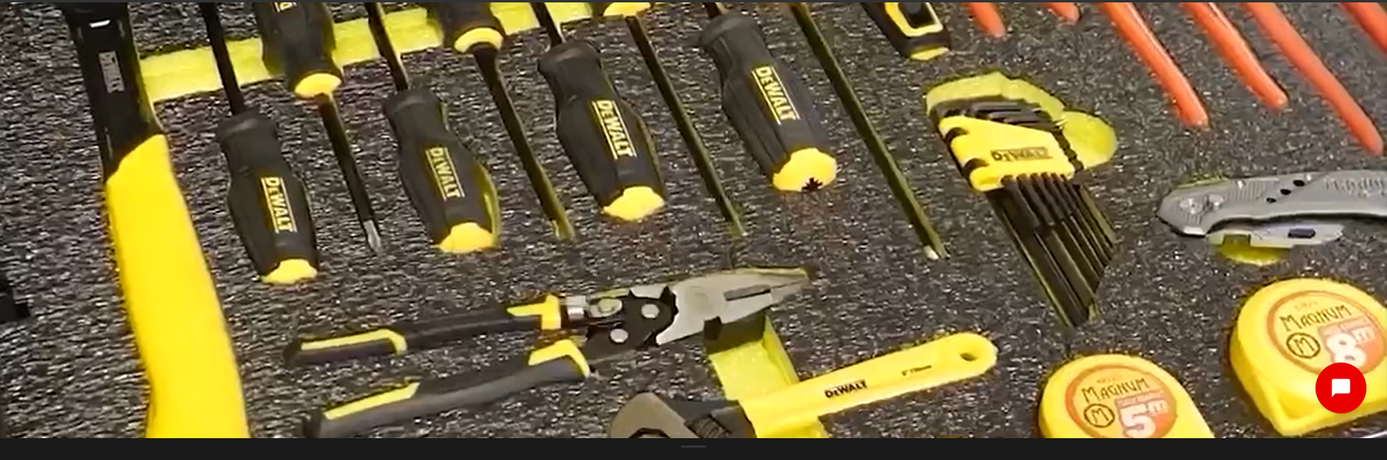
| Tools and equipment | The first time it is put away wet or dirty | Two to three weeks |
| Surfaces and finishes | The first seasonal change | Two to three months |
If your platform knows the delivery date, this is an automation and not a campaign. Build it once and leave it running.
One routine, one mistake, one recovery
Three things, in that order, and nothing else. The routine that keeps it in good nick. The one thing people do that damages it. What to do if that's already happened.
- The routine, written as an action with a frequency attached
- The mistake, named plainly, including what it looks like when it has been made
- The recovery, because a customer who thinks they've ruined it is about to stop being a customer
- What is covered if the recovery doesn't work, said without hedging
The recovery step is the one that gets replies, and they're almost always grateful ones. It's also the step most brands leave out, on the assumption that admitting damage is possible invites claims.
Reviews, returns and the repeat purchase
Go and read the poor reviews in any durable category and a good share of them describe a product that wasn't maintained. The customer isn't lying, and arguing with a review after the fact never works. The only place to step in is before the damage. Not after.
The same send protects the reorder. A product still working well when it's time to replace it gets replaced with the same one. That's the argument for treating care as a retention campaign instead of support content.
Make it savable, and make it findable later
This is the one campaign people dig out months later. Link to a permanent page holding the same instructions, keep that page at a stable address, and put the essentials in the email itself for anybody reading in a shed with no signal.

Where the product has a warranty, restate the conditions here in plain English instead of linking off to terms. A customer who understands what voids it is far less likely to void it, and that saves you the argument later.
The one place a product link genuinely belongs
Unlike most of these campaigns, this one has a commercial tail that's honest. If the routine needs a cleaner, a conditioner, a filter or a spare part, that's a product the reader now actively wants. Linking it is a service. Not a pitch.
Keep it to what the routine calls for. A care email that turns into a general promotion loses the tone that made the advice credible, and the replies stop with it. The subscriptions and replenishment side is where this ends up naturally, once the consumable has a known interval.
Read your one and two star reviews
Sort your reviews lowest first and count how many describe a failure that maintenance would have prevented. In durable categories it's usually a large share of them. Every one is a customer who'd have stayed.
Those reviews name the mistake for you. Write the email around the most common one and send it to everybody who bought that product, including the people who bought it two years ago. Every account we take over has that list sitting there unused.
Alex Gregoriades
Operations director at Engage Commerce, where he runs the accounts the writing comes out of.
FAQs

Should care instructions be an automation or a campaign?
An automation timed from delivery, plus a one-off campaign to everybody who bought before it existed. The timing is the whole point, so a scheduled send to the entire list reaches almost everybody at the wrong moment.
What if the care routine is genuinely complicated?
Put the essentials in the email and the full version on a permanent page. If the routine has several stages, split it across two or three sends timed to when each stage starts to matter, instead of dumping everything on somebody in week one.
Does naming the common mistake encourage claims?
It reduces them. Most claims come from damage that's already happened, not from customers hunting for a reason to complain. Telling people how to recover from it early is a great deal cheaper than processing the return later.
Can we sell care products in this email?
Yes, where the routine actually needs them. This is one of the few campaigns where a product link reads as helpful instead of promotional, as long as you keep it to what the instructions call for and stop there.
Explain the maintenance before the damage
Care instructions get treated as packaging copy and they belong in the email programme, timed to the moment neglect starts costing something. Give the routine, name the mistake, explain the recovery, and say what the warranty covers in plain words. It protects the review, the return rate and the replacement purchase, and it's one of the few campaigns where a product link is doing the reader a favour.
Campaigns that are not discounts
One campaign type per post: what it is for, who it is sent to, and how to build it without reaching for a code.

The bundle email that raises order value without cutting price
A sitewide code cuts margin on everything, including what would have sold anyway. A bundle only changes one combination.
Read it
The brand story email that is not a founder's autobiography
Nobody subscribed to read a company history. They'll read the moment somebody decided the existing options weren't good enough.
Read it
The behind the scenes email that earns its place in a busy inbox
Nobody wants a tour of your warehouse. They want to know why the thing takes three weeks, and what happens in those three weeks.
Read itWould you rather this was just handled?
Bring your Klaviyo account and the thing annoying you most. We will tell you what we would fix first, on the call, before you spend anything.


Book a call with our founder.
We're all about relationships built on trust, mutual respect and a shared vision for success. If that sounds like your vibe, let's make some waves together 🌊