The brand story email that is not a founder's autobiography
Nobody subscribed to read a company history. They'll read the moment somebody decided the existing options weren't good enough.

Origin story emails go wrong by starting at the beginning. Your reader doesn't need the childhood, the redundancy or the kitchen table. They need the moment somebody looked at what was on the shelf and decided to make something different, and what that's cost since.

Chronology is the enemy of this campaign
The default origin story runs in order. The background, the frustration, the experiments, the first sale, the growth, the values. That's the shape of a memoir, and it's why these emails have the worst read-through of anything in this set.
Start at the decision instead. Somebody chose to do it the hard way when an easier one was sitting right there, and that choice still costs money every month. That's the story, and it's usually one paragraph in, buried under the childhood.
The decision is the thing you wouldn't undo
Ask the founder what they were told to change and refused. The answer is almost always the story: the ingredient that could be swapped for something cheaper, the manufacturing kept somewhere expensive, the size range nobody else bothers with, the guarantee the accountant hates.
- What did somebody sensible advise you to do that you didn't do
- What does that decision cost, said in ordinary terms and not in figures
- What would a customer notice if you reversed it tomorrow
- Who else in the category does it your way, and what does that tell the reader
Answer those four and you've got an origin email with a point. Answer when did you start and why, and you've got a company history.
This belongs in the welcome sequence, not the calendar
The brand story has one reliable audience: somebody who subscribed in the last fortnight and is working out whether you're worth the attention. Blast it to the whole list as a campaign and it mostly reaches customers who settled that question ages ago.
Put it second or third in the welcome flow, after the practical email and before any offer reminder. It's the one piece of brand content that reliably lifts the conversion of the sequence around it.
Short, with the long version linked
| Where | Length | Job |
|---|---|---|
| The welcome email | Around two hundred words | One decision, one consequence |
| The about page | As long as it needs | The full account for anybody curious |
| The pack or the insert | Two sentences | A reminder at the moment of use |
Photographs matter more than words here. One picture of the actual place, the actual machine or the actual person carries more than three paragraphs will, and stock photography of a generic workshop actively damages it.
The advantage sits with whoever's smallest
A big brand can't tell this story credibly, because the decision was made by people who left years ago. A small one can. Whoever made that choice still answers the emails, and that's the most persuasive part of it.
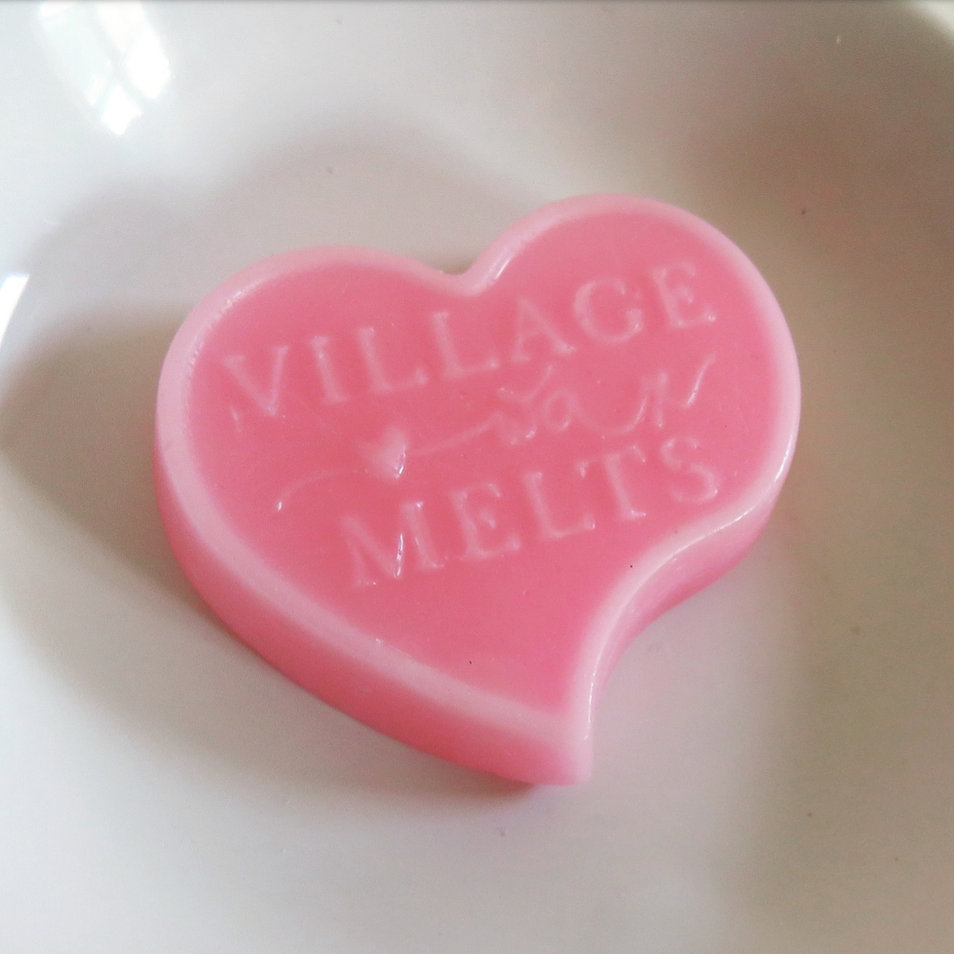
It's why the smaller accounts we run lead with the maker instead of the range. It's the one thing a bigger competitor can't copy by spending more.
Read your about page out loud
Open your about page and read it aloud. Count the sentences that describe a decision somebody made against the ones that describe a feeling somebody had. If feelings win, the email version won't work either.
- The decision, named in one sentence a customer could repeat
- What it costs the business, said plainly
- One photograph of the real place, person or machine
- A link to the longer version for anybody who wants it
Then check where the story sits in your sequence. In most accounts it's nowhere, or it's the fifth email nobody reaches, which is a straightforward fix in the flow order and not a writing problem.
Theo Tziapouras
Founder and strategy at Engage Commerce, the ecommerce agency for 7 and 8 figure DTC brands.
FAQs

What if our brand has no dramatic origin?
Most don't, and drama isn't the requirement. One deliberate decision that costs money is enough, and an unremarkable founding told honestly beats an invented struggle every time. Readers are unusually good at spotting a hardship that's been manufactured for the email.
Should the brand story email be plain text or designed?
Designed, with real photographs, because the pictures are carrying the argument. Plain text suits the founder note, which is a different format aimed at a moment, not at an introduction.
Can we send the brand story as a campaign to the whole list?
Once, if it's never been told. After that it belongs in the welcome sequence and nowhere else. Repeating it as a campaign is exactly how it becomes the email your subscribers recognise and skip.
How do we know if it is working?
Look at the conversion of the emails after it in the sequence, not at its own revenue. A brand story doing its job lifts whatever follows it, and it'll rarely produce many orders on its own. Judge it on the sequence.
Lead with the decision, not the date
A brand story email earns its place when it explains a choice that still costs the business something. Find the thing somebody sensible advised against, say what it costs, show what a customer would notice if it changed, and put the whole lot early in the welcome sequence where new subscribers are still deciding about you. The chronology can stay on the about page, where the curious will find it.
Campaigns that are not discounts
One campaign type per post: what it is for, who it is sent to, and how to build it without reaching for a code.
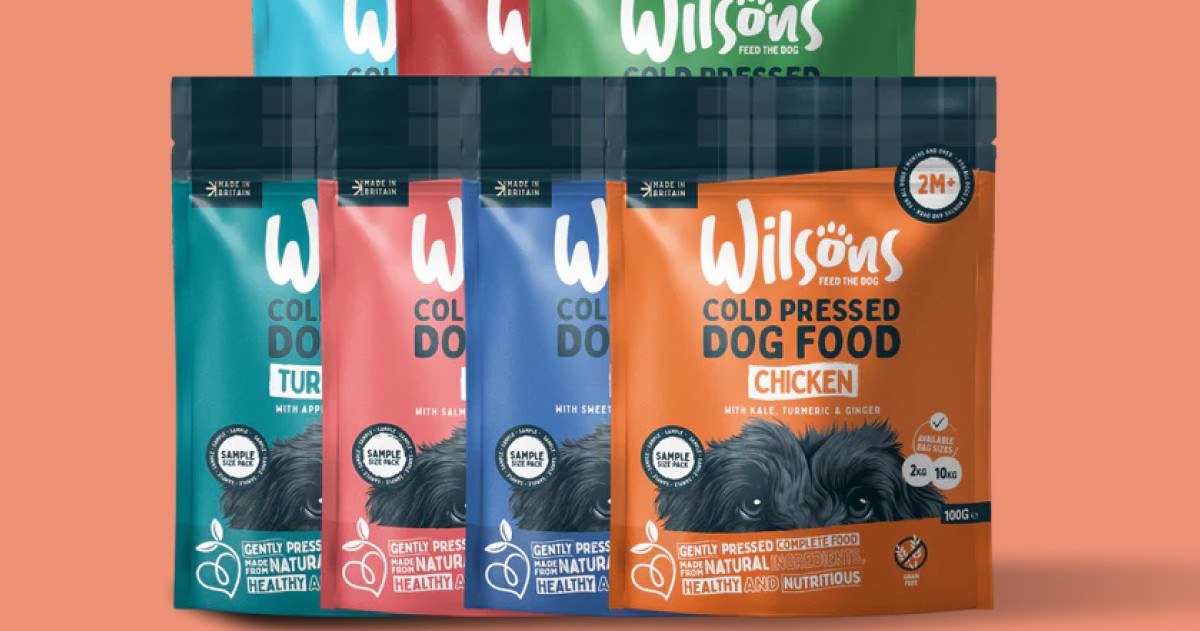
The behind the scenes email that earns its place in a busy inbox
Nobody wants a tour of your warehouse. They want to know why the thing takes three weeks, and what happens in those three weeks.
Read it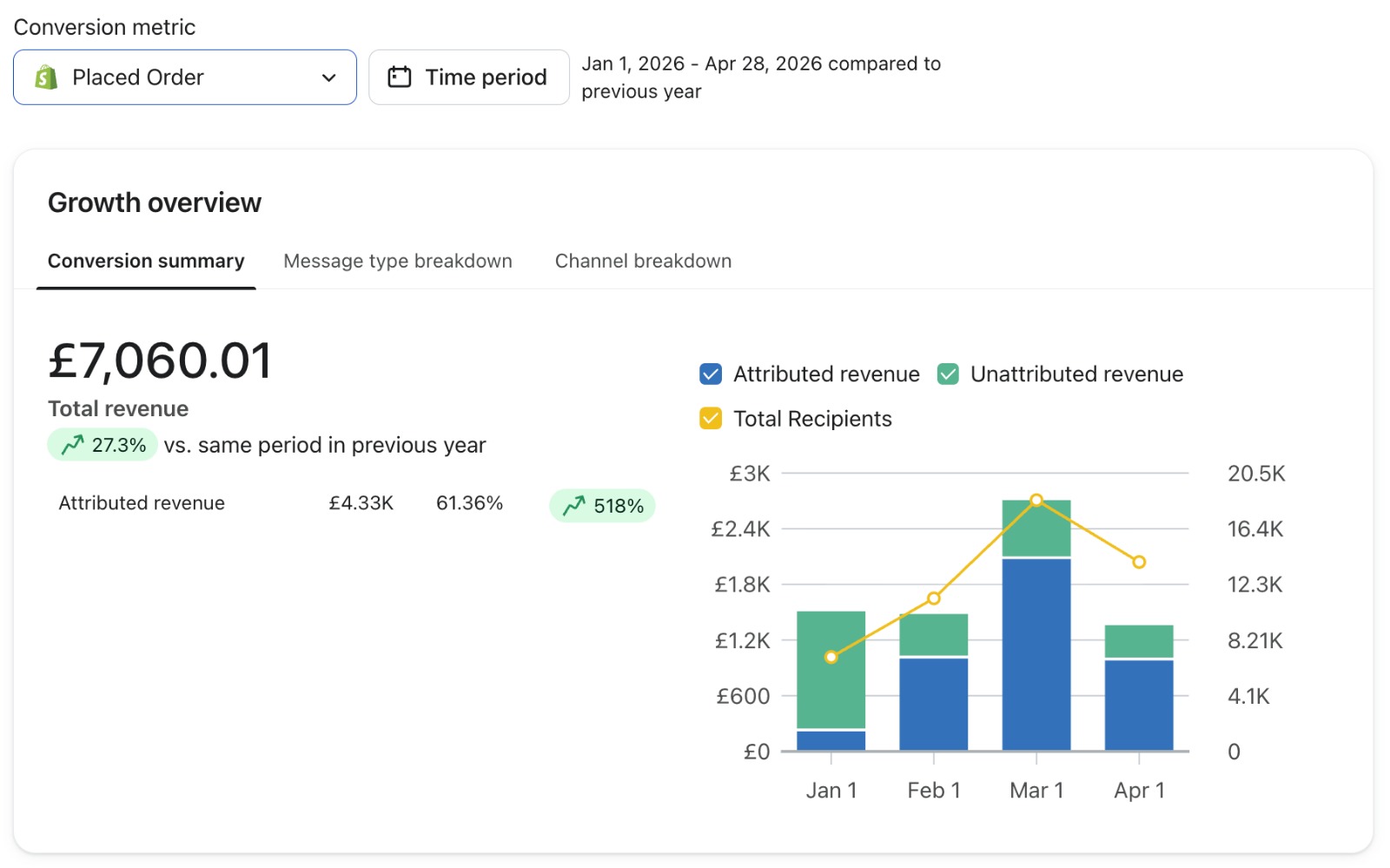
The behind the numbers email: publish your own figures carefully
Publishing real operational numbers to customers is either the most credible campaign you'll send or the one you regret. Depends which numbers.
Read it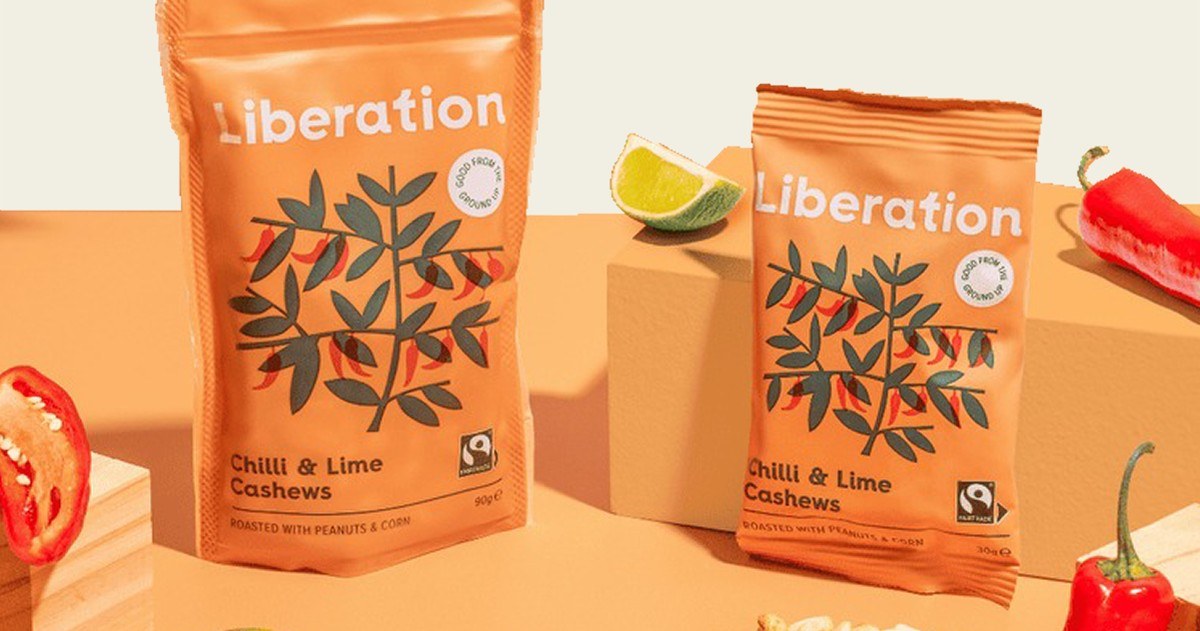
The before and after email, for products whose proof is visual
Two photographs, honestly taken, out-argue any paragraph you could write about the same result. The work is in the honesty.
Read itWould you rather this was just handled?
Bring your Klaviyo account and the thing annoying you most. We will tell you what we would fix first, on the call, before you spend anything.

Book a call with our founder.
We're all about relationships built on trust, mutual respect and a shared vision for success. If that sounds like your vibe, let's make some waves together 🌊