The behind the scenes email that earns its place in a busy inbox
Nobody wants a tour of your warehouse. They want to know why the thing takes three weeks, and what happens in those three weeks.

Process content is the easiest campaign to make and the easiest to waste. The difference is whether the bit you show answers something a customer has already wondered about, or whether it's just footage of people at work in branded fleeces.
Show the step that explains something
Before you film anything, write down the questions customers ask about the product that are really questions about how it's made. Why does it cost that. Why is it out of stock so often. Why does the colour vary. Why does it take a fortnight.
Every one of those has a step in your process sitting behind it, and that step is the campaign. A behind the scenes email with no question in front of it is a tour, and tours get skimmed.
The moments worth photographing
- The slow step, whatever it is, because slowness is the thing customers most often mistake for inefficiency
- The rejection step, where something fails a check and gets thrown out, which is the most persuasive footage you own
- The hand step, any point where a person does something a machine would do worse
- The step that changed recently, because a process improvement is a story with a before and an after already built in
The rejection step is the one brands hide and the one that carries the most weight. A bin of discarded product, photographed honestly, says more about your standards than any certification logo.
Filming it feels uncomfortable. That's usually the sign it's worth publishing.
Where the process meets the ingredient
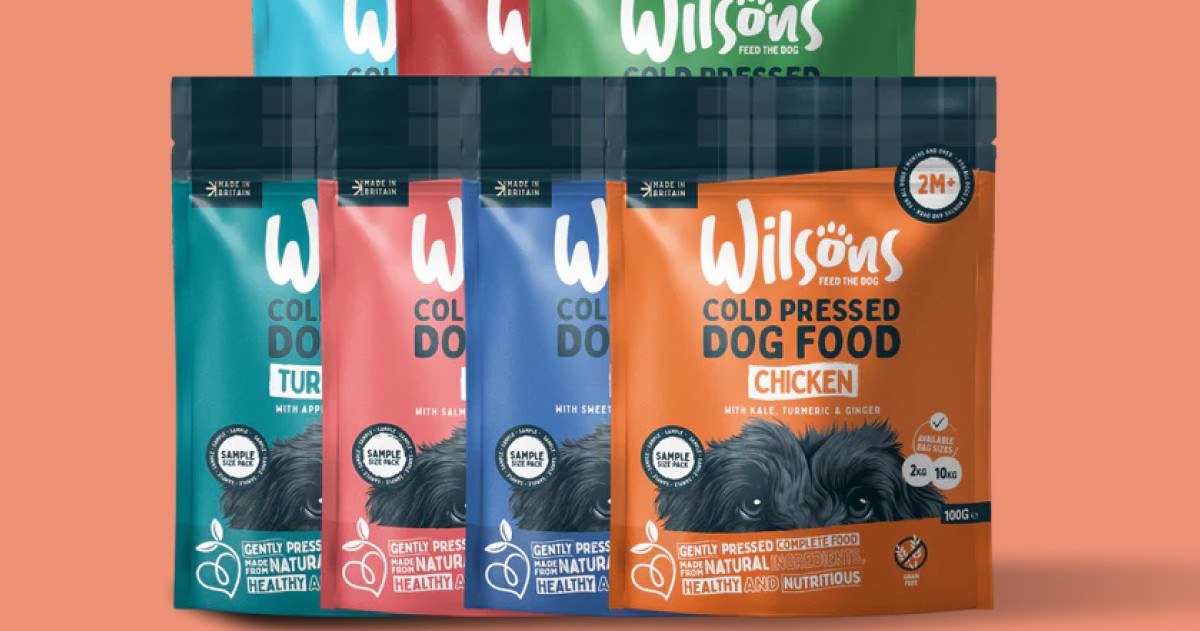
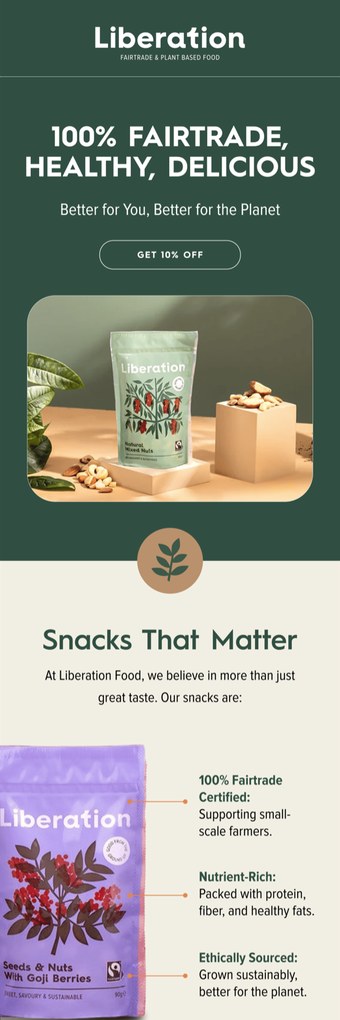
That send annotates the claims straight onto the pack photography, so a whole behind the scenes email is compressed into one image. The reader gets the process, the certification and the product in a glance, without reading a paragraph about values.
It also shows where this format overlaps with the sourcing deep dive. Behind the scenes covers how it's made here. Sourcing covers where it came from before it arrived. The two make a good pair a fortnight apart.
A phone in the room beats a crew booked for a day
The polished version of this campaign performs worse than the rough one, consistently. Colour graded footage with a soundtrack reads as an advert and gets treated as one. A slightly shaky clip off somebody's phone reads as access.
| The instinct | What happens | Do instead |
|---|---|---|
| Book a video crew for a day | One expensive film, used once | A phone in the room every week for a year |
| Script the person on camera | They sound like a spokesperson | Ask them a question and let them answer |
| Tidy the workspace first | The credibility goes with the mess | Film it as it is on a normal day |
Keep an archive folder and add to it whenever anybody's on the floor. Six months later you've got a year of campaigns and nobody had to organise a shoot.
Between the welcome and the second order
This send does its best work on people who've subscribed and not bought, and on first time customers before the reorder window. Both of them have an unresolved question about whether the product is worth what it costs. The process is the answer.
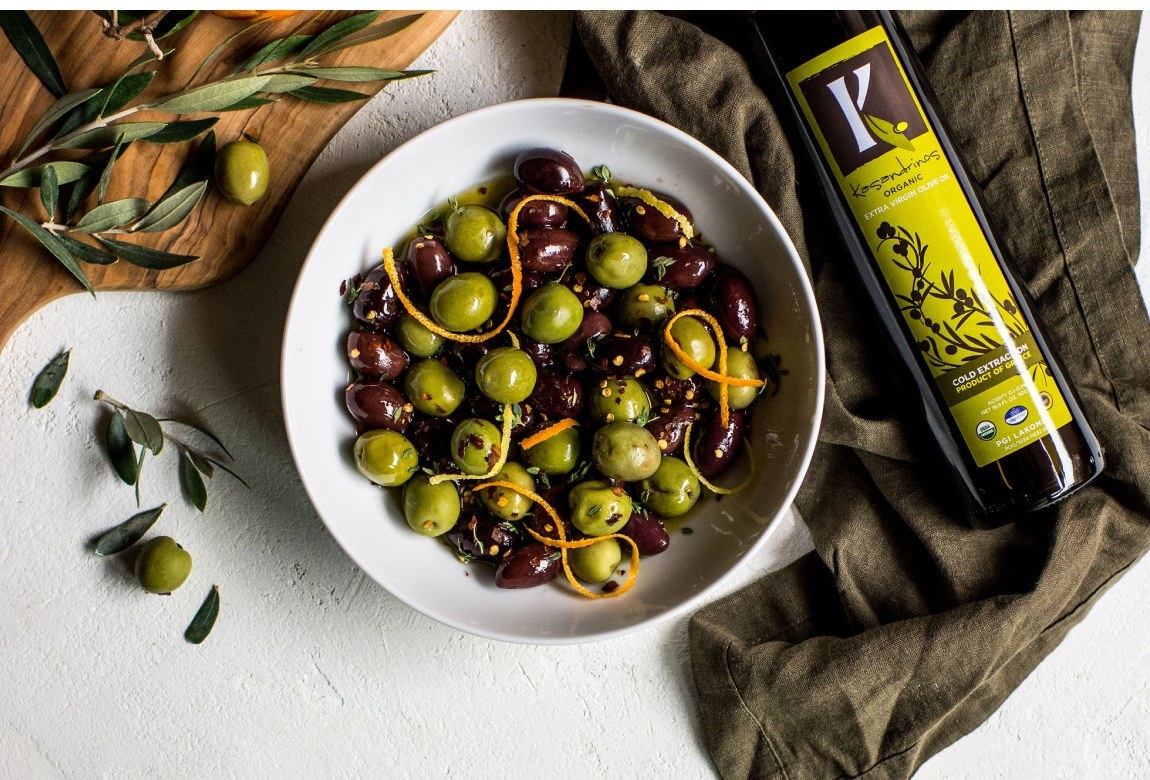
In food and drink it's close to compulsory, because the whole category runs on trust in what you can't see. The food and drink programmes we run put a process send in the first month for exactly that reason.
Ask what you wouldn't want filmed
Walk the floor and note the two or three things you'd rather a customer didn't see. One of them is a real problem and should be fixed. The rest are just unglamorous, and unglamorous is exactly what this campaign is for.
Then check whether any of it appears on your site. In most accounts the process lives in one paragraph on an about page written three years ago, which is an obvious gap between the email programme and the site and an easy one to close.
Theo Tziapouras
Founder and strategy at Engage Commerce, the ecommerce agency for 7 and 8 figure DTC brands.
FAQs
What if we do not manufacture anything ourselves?
Then your process is selection, testing, storage and packing, and all of those count. How you choose a supplier and what makes you drop one is a stronger story than most factories can offer, because it's a decision and not a machine.
How often should we send behind the scenes content?
Monthly is comfortable while each send covers a different step. It turns into wallpaper the moment it becomes a general update about how busy everybody is. That's the version you get when nobody picked a specific question to answer.
Does this need video?
No. A sequence of photographs with short captions does the job and is far easier to keep up. Video helps for anything involving movement or a sequence of hands, and it should always link out instead of being the only route to the content.
Should we show things that went wrong?
Yes, once they're resolved. A batch that failed a check, a delay and what caused it, or a change made after complaints all read as confidence. Publish them next to what changed as a result, not as an apology on its own.
Answer a question with a photograph
Behind the scenes works when it's evidence, not atmosphere. Pick the step that answers something customers already ask, photograph it roughly and often, show the parts you'd rather hide, and let the reader draw their own conclusion about why the product costs what it does. Everything else is a tour, and nobody finishes a tour.
Campaigns that are not discounts
One campaign type per post: what it is for, who it is sent to, and how to build it without reaching for a code.
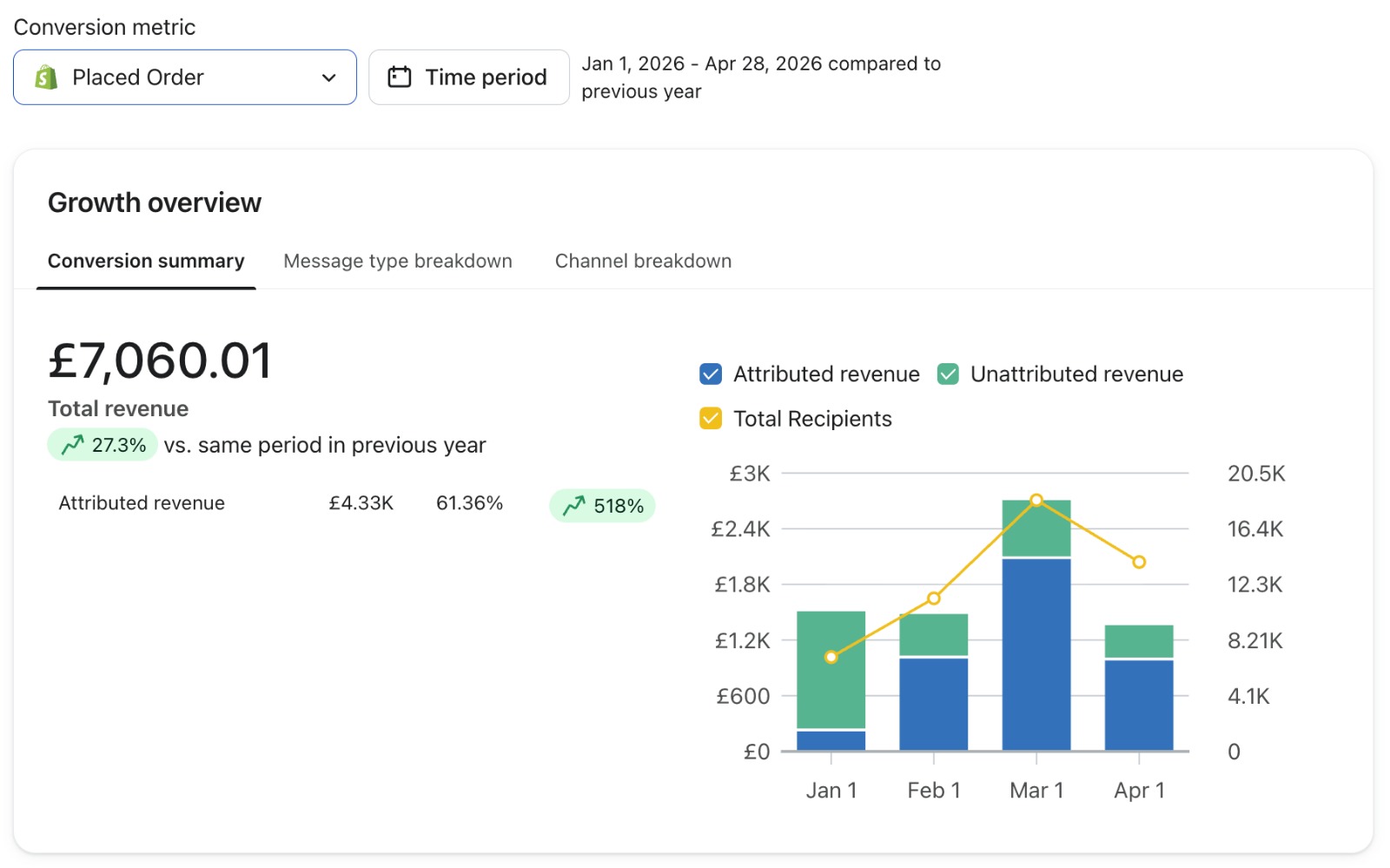
The behind the numbers email: publish your own figures carefully
Publishing real operational numbers to customers is either the most credible campaign you'll send or the one you regret. Depends which numbers.
Read it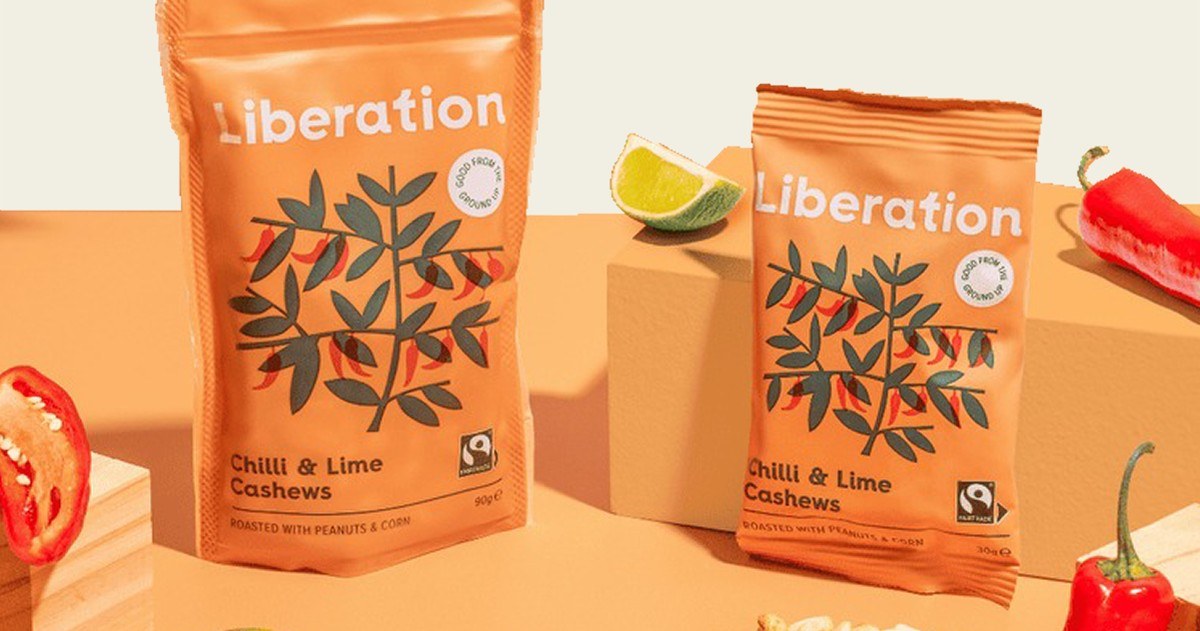
The before and after email, for products whose proof is visual
Two photographs, honestly taken, out-argue any paragraph you could write about the same result. The work is in the honesty.
Read it
The award announcement email that is about the reader, not the trophy
An award is a fact about you. The campaign only works once it becomes a fact about the product somebody's deciding to buy.
Read itWould you rather this was just handled?
Bring your Klaviyo account and the thing annoying you most. We will tell you what we would fix first, on the call, before you spend anything.

Book a call with our founder.
We're all about relationships built on trust, mutual respect and a shared vision for success. If that sounds like your vibe, let's make some waves together 🌊