The behind the numbers email: publish your own figures carefully
Publishing real operational numbers to customers is either the most credible campaign you'll send or the one you regret. Depends which numbers.
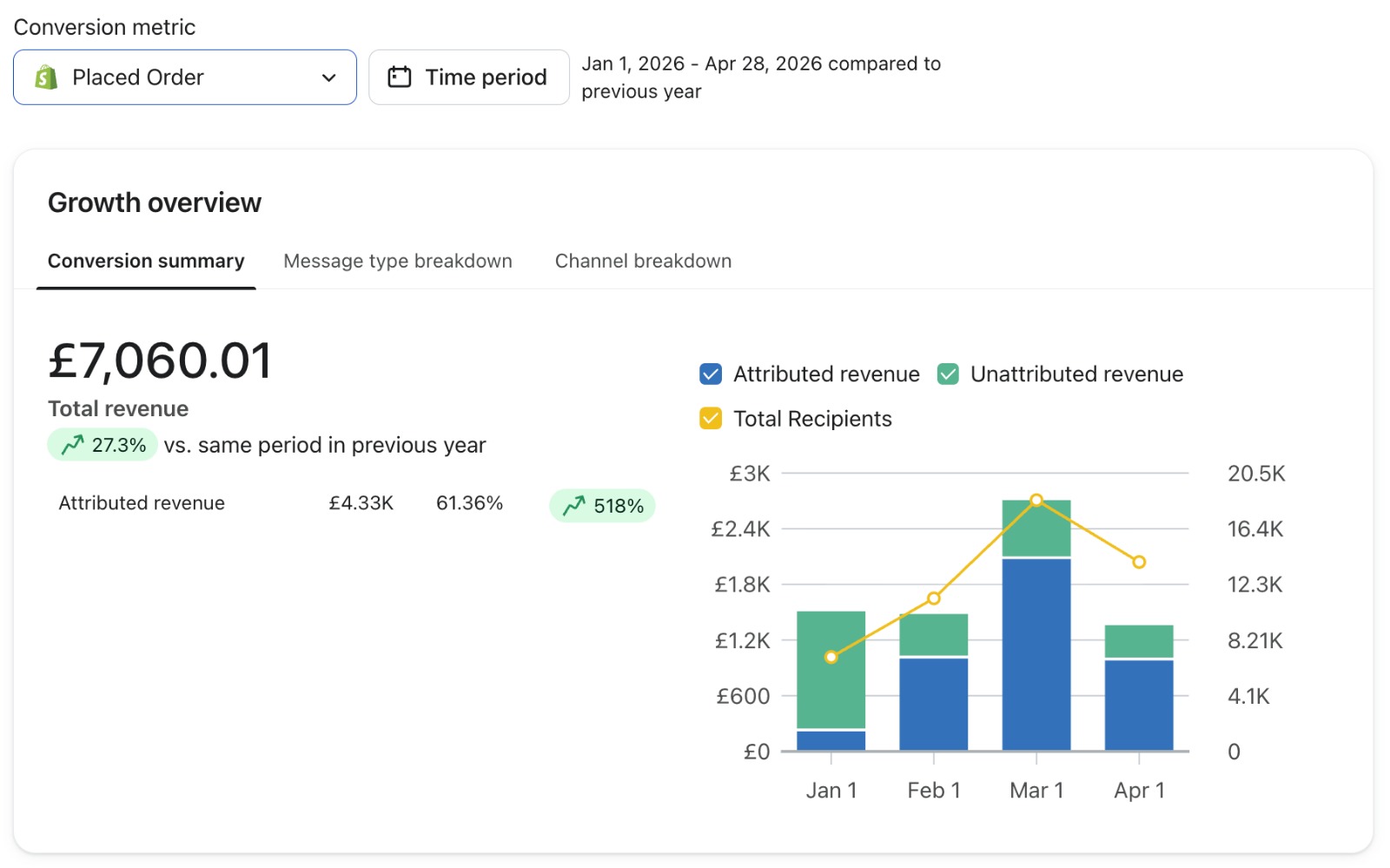

So, transparency campaigns publish numbers a brand isn't obliged to share. What a batch cost, how much got wasted, how many orders went out late, what a supplier gets paid. Done properly it's unanswerable proof. Done selectively it's an annual report nobody asked for.
Publish the number that could embarrass you
A transparency email built from flattering figures is marketing with a chart in it. This format only carries weight when at least one number is worse than the reader expected, and you say what you're doing about it.
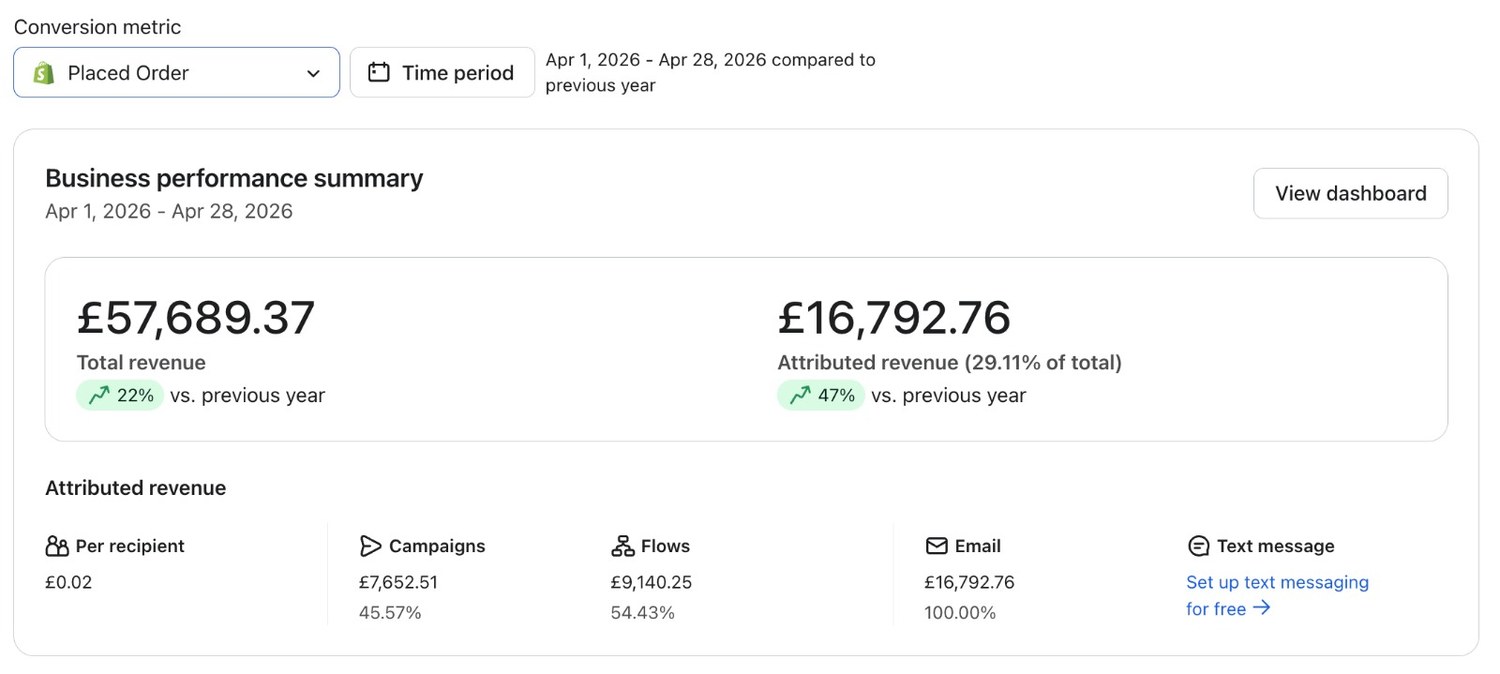
That's the same principle in our own reporting: the split is published whether or not it flatters the month. A number you'd only publish in a good quarter isn't transparency. It's a highlight.
Operational figures beat commercial ones
Your customers aren't especially interested in your revenue and are very interested in anything that affects them. Pick numbers attached to a decision or a consequence, not to performance.
| Publish | Why it lands | Handle with care |
|---|---|---|
| Orders dispatched on time | It is a promise, measured | You must keep publishing it when it drops |
| Waste, seconds and rejects | It proves the standard is real | Say where the rejected stock goes |
| What a supplier is paid | Almost nobody does this | Needs the supplier's agreement |
| Complaints received and resolved | It reframes complaints as normal | Do not publish once and stop |
The best figures are the ones a customer already has an opinion about. Everybody who's waited in for a parcel has a view on dispatch times, which is why that number lands and a production tolerance doesn't.
Revenue and growth figures belong in a founder note about the business, not in a campaign to customers, where they mostly prompt the question of why the product costs what it does.
A number with nothing to compare it to is decoration
- Against the same period last year, which shows direction
- Against the target you set, which shows honesty
- Against the category norm, where one is published and can be cited
- Against what it was before a change you made, which shows the change worked
Without one of those, a figure is a decorative fact. With one it becomes an argument, and the reader can tell whether they're being shown something real.
Publishing once is worse than never publishing
The commitment is the campaign. A brand that publishes its delivery performance every quarter is making a promise it can be held to. One that publishes it once, in a good quarter, has advertised.

Before the first send, agree who produces the figures, how often, and what happens when they go the wrong way. If you can't have that conversation internally, the campaign dies after one round and the silence gets noticed.
The send that proves the whole exercise
Every transparency programme eventually hits a period where the numbers are poor. That send decides whether any of the earlier ones meant anything, so lead with the bad figure instead of burying it under context.
Send it on the schedule you promised, not once the recovery arrives. A late report published after the numbers improved is transparent about the good period and silent about the bad one. Exactly the pattern this whole exercise was meant to avoid.
Explain the cause, say what's changed, give the date by which it should be back. Readers are a lot more forgiving of a bad quarter than of a brand that quietly stops reporting, which is the same principle the founder note runs on.
Pick one number and ask whether you'd publish it badly
Choose the figure you'd most like to publish, then ask whether you'd still publish it in your worst quarter. If the answer's no, choose a different number. That's the one the campaign will die on.
Then check who owns it. A published figure needs a person responsible for producing it on a schedule. That's the unglamorous half of any reporting commitment, and the part that decides whether it survives past the first send.
Theo Tziapouras
Founder and strategy at Engage Commerce, the ecommerce agency for 7 and 8 figure DTC brands.
FAQs

What if our numbers are not impressive?
Unimpressive numbers with a plan attached beat good ones with no context. What damages a brand is publishing selectively, not publishing something ordinary, and readers assume whatever you left out is worse than it actually is.
Should we publish financial figures to customers?
Rarely. Revenue and margin invite questions about pricing that a campaign can't answer well. Operational numbers your customers experience directly, like dispatch performance or waste, do the credibility work without dragging you into that.
How often should a transparency campaign run?
Quarterly or annually, on a fixed schedule you announce in advance. The schedule is what makes it a commitment instead of a claim, and missing one does more damage than a poor set of figures ever would.
What if a supplier objects to a number being published?
Then it doesn't get published. Anything involving a third party needs their agreement first, and a supplier relationship is worth a great deal more than a single campaign. Ask before you write the email, not after.
Publish the one that could embarrass you
A behind the numbers email is worth sending only if the figures are picked for what they prove, not for how they look. Choose operational measures your customers actually feel, give every number something to compare it against, commit to a schedule before you start, and lead with the bad figure when the bad quarter turns up. Done that way it's the most durable credibility campaign going. Done once, it's an advert with a chart in it.
Campaigns that are not discounts
One campaign type per post: what it is for, who it is sent to, and how to build it without reaching for a code.

The before and after email, for products whose proof is visual
Two photographs, honestly taken, out-argue any paragraph you could write about the same result. The work is in the honesty.
Read it
The award announcement email that is about the reader, not the trophy
An award is a fact about you. The campaign only works once it becomes a fact about the product somebody's deciding to buy.
Read it
The we heard you email: what to send after you change something
Customers tell brands what is wrong constantly and almost never hear what happened next. Closing that loop is a campaign in itself.
Read itWould you rather this was just handled?
Bring your Klaviyo account and the thing annoying you most. We will tell you what we would fix first, on the call, before you spend anything.

Book a call with our founder.
We're all about relationships built on trust, mutual respect and a shared vision for success. If that sounds like your vibe, let's make some waves together 🌊