Why are my abandoned cart emails not working? Check the product page they point back to
When opens and clicks hold steady but completed checkouts fall, the blocker is on the other side of the click, not in your emails.
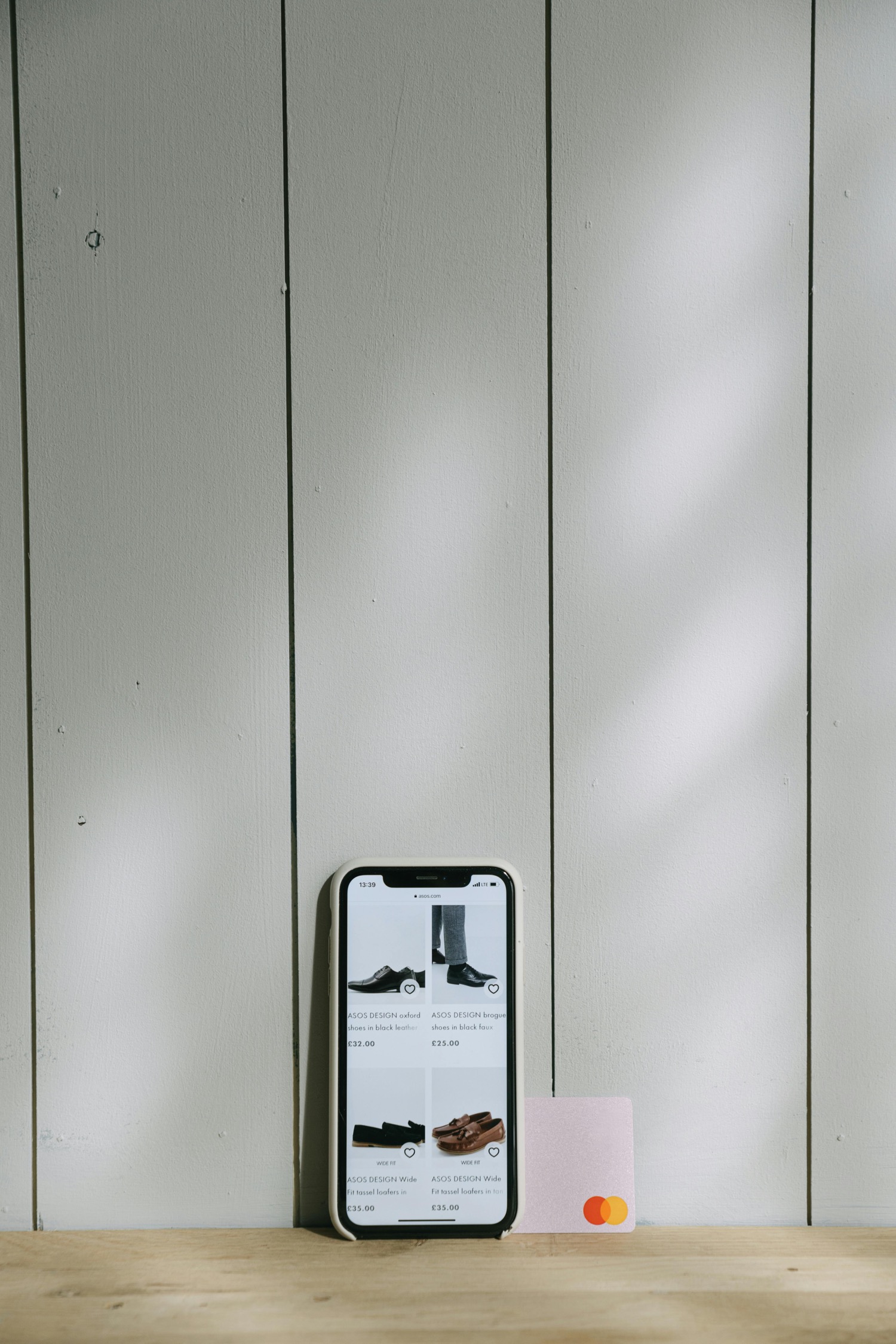
A client came to us certain their cart emails had stopped working. We pulled the flow apart and found three well built emails doing their job. The fault sat on the product page everyone had abandoned from, and two lines of copy fixed it. Not a bigger discount.
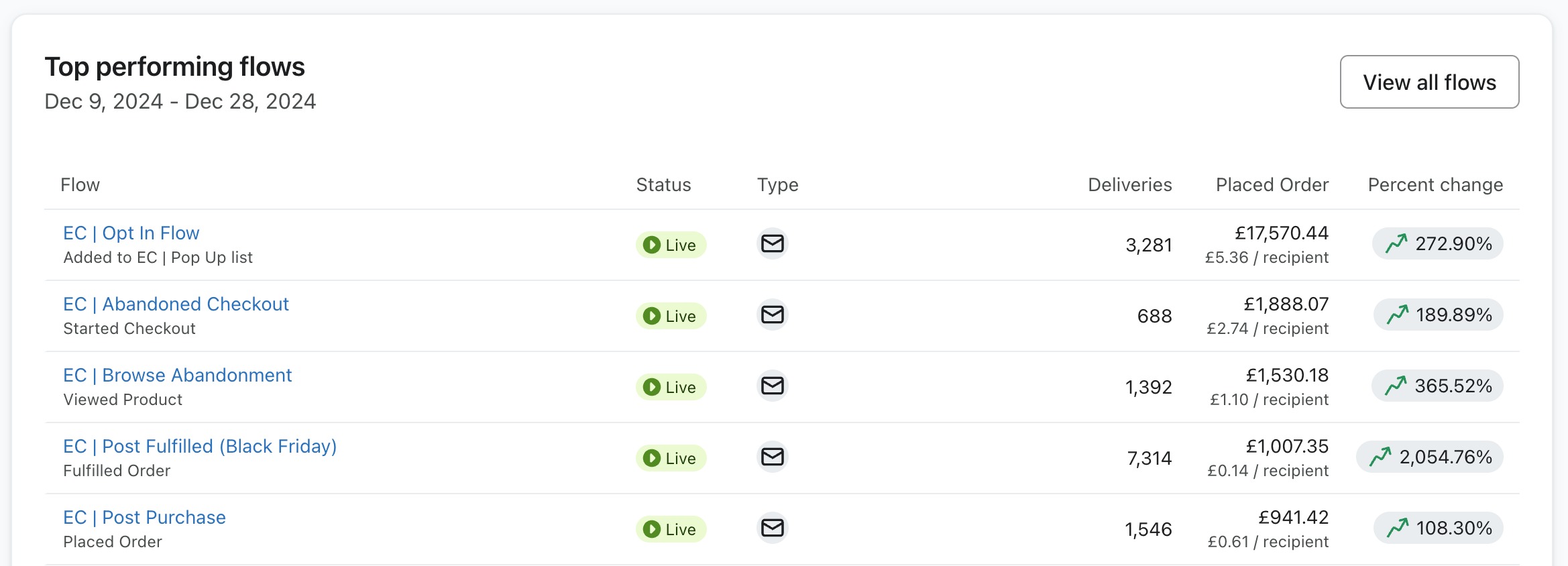
The flow had stopped working, or so the client believed
The client was certain their cart recovery emails had stopped earning. Recovery had been flat two months straight, so the emails needed fixing. Fair assumption. It's usually where the fault sits.
So we pulled the sequence apart expecting the usual suspects. Bad timing, weak subject lines, a first send arriving too late. What we found was three well built emails, sent at sensible intervals, with copy that did its job. The flow was clean. Whatever had gone wrong had nothing to do with Klaviyo.
A cart recovery sequence built properly is one of the most reliable earners in an account, so it takes the blame first when the number stalls. Tweaking the thing you're paid to manage feels like progress. We've watched agencies do it for months on a flow that was never the problem.
Opens and clicks were healthy, and that's the tell
Before we changed a word we pulled the engagement behind each of the three sends, across the same two months the client had flagged. Opens were holding against their usual marks. So were clicks. People were opening the emails and clicking back through to the product.
What had dropped was the number who finished checkout after that click. When engagement holds and only the last step falls away, the blocker sits on the other side of the click, wherever the customer lands next. The emails were doing their whole job: getting people back to the page.
That split is the whole diagnosis. Email owns the journey back to the site. The page owns everything after the landing. Read the two separately before you touch either.
The product page never answered the sizing question
We opened the product page those carts were coming from and read it the way a first time visitor would. It was a piece of clothing that ran differently to standard sizing, and nowhere on the page did it say so. No guide near the size selector. No line under the dropdown. Nothing in the description.
So somebody picking their normal size had no way of knowing whether normal was right here. Nobody changed their mind about buying. That's just the moment carts get abandoned, and the abandon happens on the product page, while the email takes the blame three days later.
Hit a decision you can't make with confidence and you go and verify it somewhere else, usually on a competitor's clearer size chart, and most people never come back. Two lines fixed it, not a redesign. One flagged that the fit ran small, right beside the selector, and one linked through to a proper size guide.
A discount can't answer a question the page never did
Fair enough, every recovery problem looks like a pricing problem. But a code answers whether the product's worth the money, and that's a different question from whether it'll fit. Send the wrong incentive to the right person and you spend margin without moving them an inch.

Almost every account we take over shows the same tell. A cart sequence with discount steps stacked in ascending order, as if the objection just needed a bigger number thrown at it. Sometimes it does. But when the ladder's already generous and recovery still isn't moving, another few points off email three won't fix it.
So every time recovery stalls, ask whether the objection is one an email can move at all. Price, timing and plain forgetting all answer to the inbox. A missing piece of product information has to be fixed at the source, and that's conversion work on the page itself, not email work.
Run this on the page people are dropping from
Ten minutes and a phone. No session recordings, no research budget. Do it before you touch a flow that's underperforming.
- Open the product page cold on a phone, as if you'd never seen the product before
- Name the one thing a real buyer needs reassurance on before paying, fit, material, compatibility or delivery timing, and time how long the answer takes to find
- If the answer isn't visible without scrolling to reviews or opening another tab, that's your gap
- Check whether your cart emails quietly assume the objection is price, because a sequence that jumps straight to a code is built for the wrong problem
- Cross reference your return reasons, since returns and abandoned carts are often the same unanswered question surfacing twice
That last one is where it usually gets confirmed. If people return the product for the same reason others abandon the cart, one question is turning up twice in your data. Pull both reports before you rebuild anything.
We weren't hired to fix the page, and we said it anyway
The easy, billable version of this job was to keep optimising inside the flow we were paid to manage. Ship a subject line test, call it progress, let the client keep paying for a discount strategy that could never fix a sizing question. Plenty of agencies stay in that lane. Nobody's paid to look one click upstream of the channel they own.
We told them the truth instead: the fix was two lines of product copy, outside our remit. That's a harder conversation than presenting a shiny new email variant, because it means saying the thing they hired you to fix isn't broken. It cost us nothing to say and cost them nothing to fix.
We never touched the three emails. They still run on the same timing and the same copy, and the code still sits in the last send for whoever's genuinely price sensitive. Recovery moved because the page stopped feeding confused people into a sequence built to answer a different question. It's a pattern that turns up across the work we publish.
Theo Tziapouras
Founder and strategy at Engage Commerce, the ecommerce agency for 7 and 8 figure DTC brands.
FAQs
Why are people clicking my abandoned cart emails but not buying?
Because the click isn't the problem. Healthy opens and clicks with falling completed checkouts mean the blocker sits on the page the email points back to, usually one unanswered buying question: sizing, compatibility, delivery timing. Fix the answer on the page, then let the same emails carry on doing their job.
Should I add a bigger discount to my abandoned cart emails?
Only if you've got evidence the objection is price. A code does nothing for somebody who left because they couldn't tell whether the product would fit or arrive in time. Read the page as a stranger would first, then decide whether what's missing is the incentive or the information.
How do I tell if the fault is my emails or my product page?
Split the metrics. If opens and clicks are holding but completed checkouts have fallen, the emails are working and the page is losing the sale. If opens or clicks have dropped, the fault's in the sending, the timing or the copy, and that one is worth fixing inside the flow.
Do abandoned cart emails work without a discount?
Yes, and the first one usually shouldn't carry a code at all. A reminder with the product photo, the answer to the likely objection and an easy way back recovers a decent share on its own. Save any code for a later send, so you're not paying people who only needed the nudge.
Fix the question, not the reminder
A cart email can remind, reassure and occasionally sweeten. It can't answer a question the product page refuses to. Work out which one you're dealing with before you spend another month testing subject lines. The cheapest fix we've ever shipped was two lines of copy beside a size selector. Go and read your own page first. You might not need us at all.
Flows and automation
The automated journeys that earn while nobody touches them.
Your welcome flow audit is two years overdue
Expired codes, missing product lines, a tone from two hires ago: a flow can be live and confidently wrong, and nothing will flag it.
Read it
We only start adding SMS to Klaviyo flows after email has failed twice
SMS enters a flow only after two emails went undelivered or unopened. A text opt-out is far harder to win back than an ignored email.
Read it
Your Google ads already did the welcome flow segmentation for you
The search term that won the click is a ranked trust score, and most welcome flows throw it away at the popup.
Read itWould you rather this was just handled?
Bring your Klaviyo account and the thing annoying you most. We will tell you what we would fix first, before you spend anything.

Half an hour with Theo, our founder.
We're all about relationships built on trust, mutual respect and a shared vision for success. If that sounds like your vibe, let's make some waves together 🌊