Your email list doesn't carry SMS marketing consent, and assuming it does will get you fined
A phone number on file is not permission to text it. SMS needs its own recorded yes, and the smaller list is the point.
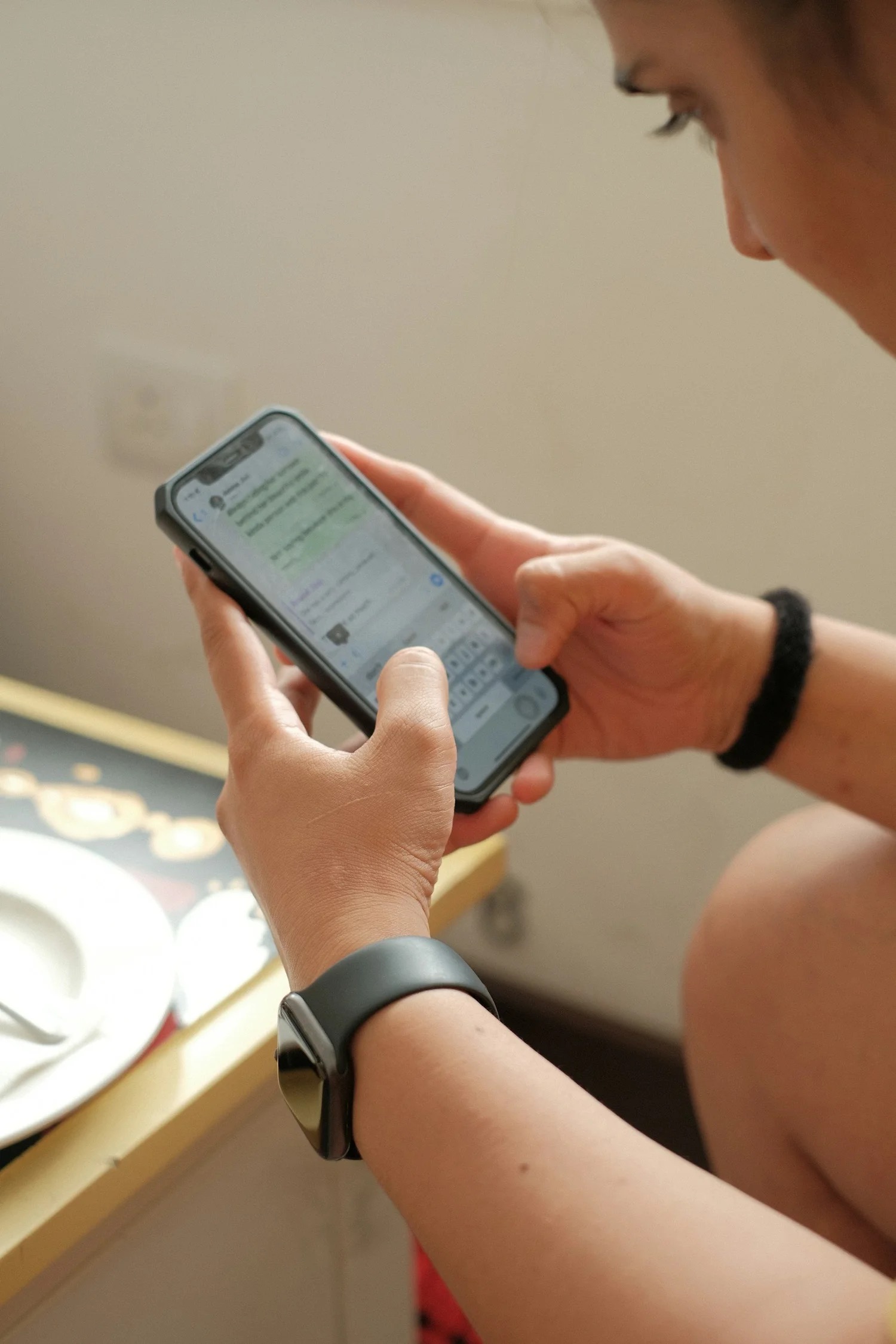

Somebody switches SMS on in Klaviyo, maps every subscriber with a phone number into a segment, and sends the first campaign that afternoon. Nobody replied YES to anything. Under PECR and TCPA that isn't a list, it's a liability with good open rates.
Email consent and SMS consent are two different signatures
SMS gets switched on in Klaviyo on a quiet Tuesday, and by lunchtime every profile with a phone number on file has been mapped into a text segment. The first campaign goes out that afternoon: a discount code, sent to people who ticked a box for emails at checkout months ago. Nobody replied YES to anything. The number was already in the customer record, and somebody decided that was consent enough.
The two regulators that matter both disagree. In the UK, PECR treats a marketing text as its own channel needing its own clear, specific opt-in, and the ICO sets this out in its direct marketing guidance. In the US, the TCPA requires prior express written consent for marketing texts, and the FCC explains the rules in its guide to unwanted texts.
Tick keep me updated by email and you've agreed to email. Nothing more. Regulators don't read intent into a tick box, and they want a specific yes tied to a specific channel. An email opt-in on file gets you nowhere once the question is whether this person agreed to be texted.
Look at where the phone numbers actually came from
Most of the numbers in a Shopify account were typed in for delivery updates, or collected by a returns process, or entered into an optional checkout field. Somewhere along the way they stop being a contact detail tied to a purpose and start being treated as a channel waiting to be switched on. The purpose was order tracking, and nothing the customer has done since has widened it.
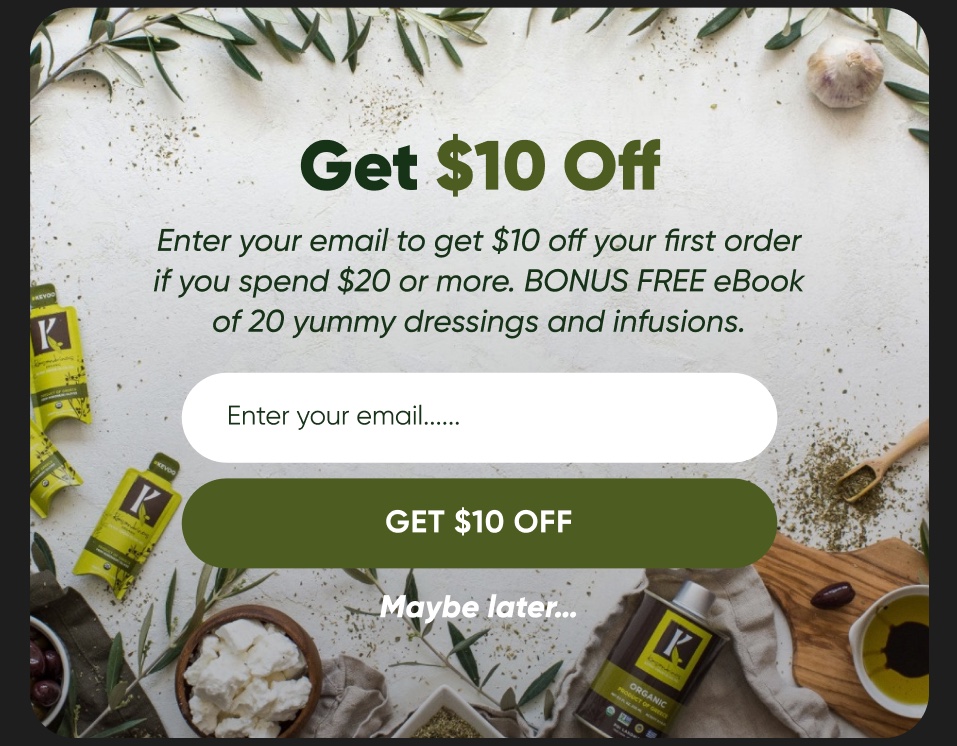
Read that capture form the way a regulator would. It asks for one email address, promises a discount and a recipe book, and says nothing anywhere about texts. Everyone who came through it consented to email marketing. Mapping those profiles into an SMS segment invents a permission the form never asked for.
What each capture route actually gave you permission to do
Before any first text goes out, list every source of phone numbers in the account and write down what the person was told at the moment they typed theirs in. That table is the audit, and the honest version is usually shorter than the SMS segment suggests.
| Where the number came from | What was agreed | Marketing texts? |
|---|---|---|
| Checkout delivery field | Contact about this order and its delivery | No |
| Shipping updates by text | Transactional messages about the parcel, nothing promotional | No |
| Email pop-up with a phone field | Email marketing, plus whatever the phone label actually said | Only if the label said so |
| Keyword double opt-in | Marketing texts, confirmed by a reply from the person's own phone | Yes |
Klaviyo's SMS double opt-in exists to produce that last row. Someone signs up through a pop-up, a checkout field or a keyword campaign, gets a confirmation text, and replies with the keyword to activate. No reply, no active subscriber. The reply itself is the proof: a timestamped, channel-specific action taken on the person's own phone.
We keep finding that confirmation step switched off on accounts we take over, because launch week looks better without it. Opt-in counts jump the moment you stop losing the people who never bother replying, and on a dashboard that reads as growth. In a regulator's file it reads as a list with no evidence behind it. The expensive kind.
Re-permission the numbers you already hold
The numbers already in the account aren't a ready-made SMS list. They're the audience for one specific campaign: a single, well-built invite asking people to opt in to texts. Only the people who reply get flipped to marketing-active, and everybody else stays exactly where they were, still on the email list and off this one. For the invite to count as consent instead of noise, it needs a few specific things.
- Name the business in the message, so it doesn't arrive as an anonymous text from a short code
- Use plain opt-in language, reply YES to get offers and updates by text, never a vague stay connected
- Say roughly how often you'll text, and that message and data rates may apply
- Put STOP instructions in that first message, so opting out is as easy as opting in
- Activate only the people who reply affirmatively, and leave every silent profile untouched
The confirmed list will be smaller than the email list it came from, and that's the invite doing its job. The people it lost are the ones who never meant to opt in, which is precisely where complaints come from. Somebody on the team calling the keyword step a conversion leak? That's the instinct to override, because the friction is the mechanism.
Records, quiet hours and a STOP that sticks
Keep the trail, not just the status. For every subscriber you want the actual keyword reply and its timestamp on the profile, so the answer to a complaint is here's the reply they sent on this date. Never we believe they consented. A subscribed flag with nothing behind it is an assumption wearing a database column.

Quiet hours are a separate rule under both regimes, so keep marketing texts inside the day and the evening in the recipient's own time zone, however solid the opt-in was. STOP has to work instantly and completely, including for numbers synced in from a point of sale system Klaviyo never collected. Check that end to end instead of assuming it, and check it again whenever a new source starts feeding the account.
Two edges of the territory are worth naming. Transactional texts, order confirmations and delivery updates, run under different rules and need no keyword ceremony. Email's carve-out for existing customers is a separate story, told in the soft opt-in rules, with text the stricter channel. Running WhatsApp beside SMS adds a further rulebook again, so treat every channel as its own front door.
Alex Gregoriades
Operations director at Engage Commerce, where he runs the accounts the writing comes out of.
FAQs

Is an email opt-in enough to send marketing texts?
No. UK PECR and the US TCPA both treat SMS as its own channel needing its own affirmative opt-in, so a tick box that mentioned email covers email only. To text the same person legally you need a separate, recorded yes for texts, which is what a keyword double opt-in produces.
Can I text customers who gave their phone number at checkout?
Not for marketing. A number entered for delivery updates was given for that purpose, and it doesn't become marketing consent by sitting in the account. Send those customers a single invite asking them to reply with a keyword, activate the ones who do, and leave the rest alone.
Do delivery updates and order confirmations need marketing consent?
No. Transactional messages run under different rules, because they're part of the service the customer already asked for, so they need no keyword ceremony. The line gets crossed when a promotional offer rides along in the same message, which quietly turns a transactional text into marketing.
What counts as proof of consent for SMS marketing?
A record of an affirmative, channel-specific action: the keyword the person replied with, the number it came from and the timestamp, kept on the profile. A status field that just says subscribed isn't proof, because it shows a state without showing how the state came about.
The smaller list is the one worth having
A confirmed SMS list is expensive to build precisely because everybody on it chose to be there, and that's what makes it worth sending to. The email list took years and a lower bar. The text list takes an invite, a keyword and some patience. Build it that way once and the channel stays boring, legal and profitable, which is everything a channel should be.
Deliverability and UK consent
Getting into the inbox, and staying inside UK GDPR and PECR while you do it.

Your email list after Black Friday is not the list you had in October
A meaningful share of the November sign-ups came for a code or a gift. January starts by finding out who is still listening.
Read it
The WhatsApp 24 hour window is the real reason your broadcasts keep failing
Free-form messages live inside a window the customer opens. Everything outside it is a template Meta has already judged, and keeps judging.
Read it
Email sending domain warm up: changing domains without wrecking the list
Reputation is attached to the domain, not to you. Move it and you start again, so the first question is whether you have to.
Read itWould you rather this was just handled?
Bring your Klaviyo account and the thing annoying you most. We will tell you what we would fix first, before you spend anything.


Half an hour with Theo, our founder.
We're all about relationships built on trust, mutual respect and a shared vision for success. If that sounds like your vibe, let's make some waves together 🌊