What is list segmentation, and when does it start paying?
Splitting one audience into groups you would write to differently. The definition is easy. Knowing which groups earn their keep is not.


Segmentation gets taught as a list of clever filters. Most shops need about four groups, and only the last one takes any nerve. The rest is bookkeeping, and doing the bookkeeping properly is worth more than any filter you haven't built yet.

What list segmentation is, in one sentence
List segmentation is splitting the people who agreed to hear from you into groups you'd write to differently. That's the whole idea. Software makes it easy, which is why most accounts hold far more segments than the shop has things to say.
The test isn't whether you can build the filter. It's whether the email would change. If two groups get the same email, they're one group with extra admin attached.
The four groups most shops actually need
- People who open and buy, which is the group worth protecting
- People who open and have never bought, who need a reason, not a discount
- People who bought once, months ago, and have gone quiet
- People who have opened nothing for a long time, who should stop receiving campaigns
Those four cover almost everything a growing shop needs, and only the last one takes any nerve. Everything else you might build is a refinement of them.
The fourth is the one brands skip. Cutting the unengaged out of your sends feels like switching off revenue. It's also the single change that most often makes the rest of the list perform better.
What segmentation changes, and what it doesn't
Segmentation doesn't make an email better. It makes the same email land on fewer wrong people. You see that as better open rates, fewer complaints and a sender reputation that holds up when you finally send something big.
It also lets you hold something back. A customer who buys every month doesn't need the offer a browsing stranger needs, and handing it to them anyway is the most expensive habit in ecommerce email.
Where segmentation stops paying for itself
A segment earns its keep if it changes what gets sent or who gets it. If it does neither, it's a saved search somebody built once and nobody has opened since.
- A segment per product, in a catalogue nobody could memorise
- Segments built for a campaign that ran last spring
- Rules so narrow the send reaches a handful of people
- Anything that needs a spreadsheet and an afternoon to rebuild
What it looks like in an account that does it properly
Every campaign names the audience it went to, and the names read plainly to somebody who doesn't work there.
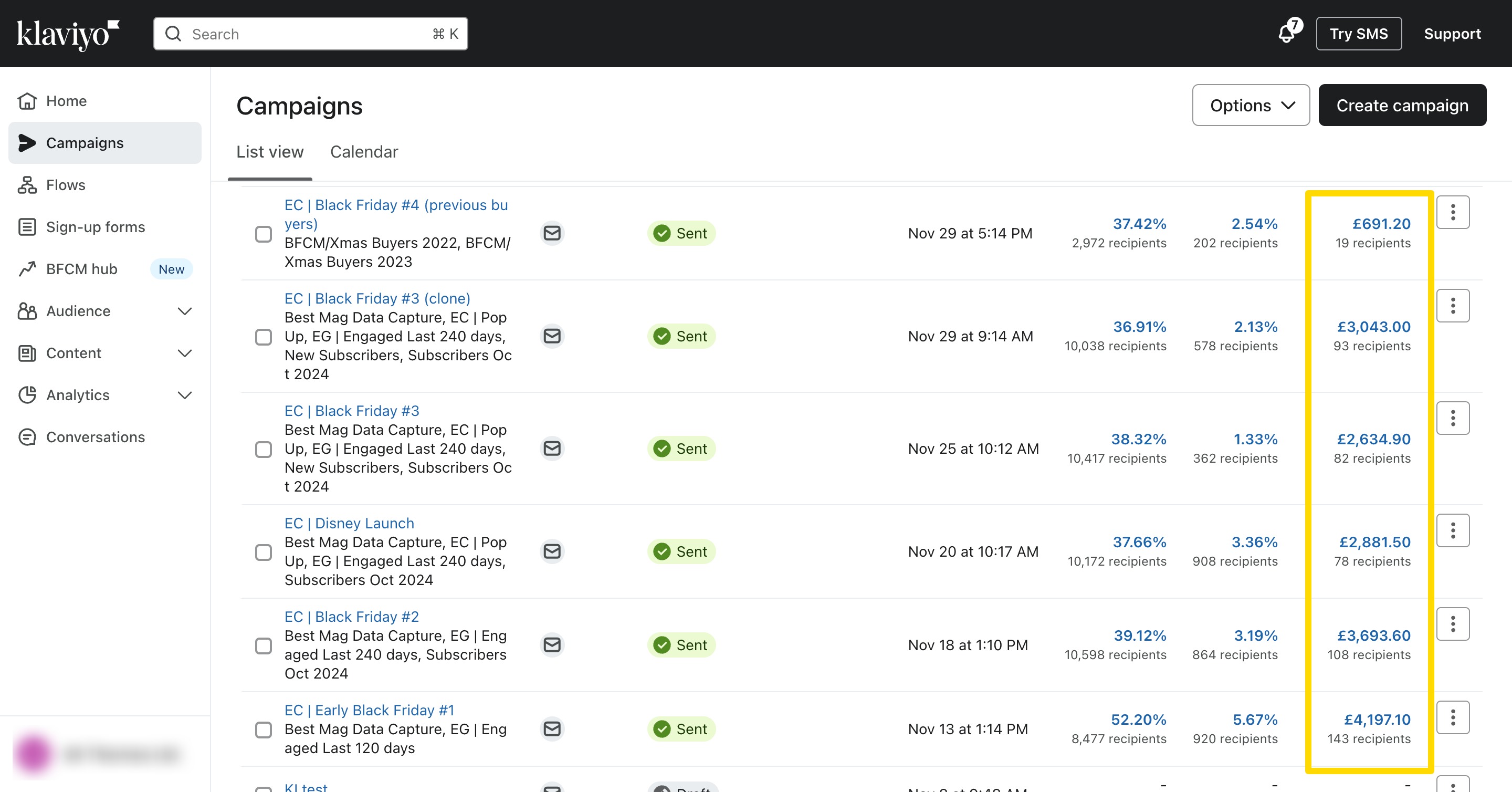
Engaged in the last few months, subscribers from a given autumn, buyers of one range. Nothing clever, all maintained, all doing one job: keeping the send away from people who stopped listening. Lifecycle strategy is where those groups turn into a plan instead of a filter, and the short definition sits in the glossary with the rest of the terms.
Theo Tziapouras
Founder and strategy at Engage Commerce, the ecommerce agency for 7 and 8 figure DTC brands.
FAQs
How many segments does a small shop need?
Four is usually enough to start with: engaged buyers, engaged non buyers, lapsed customers and the unengaged you stop mailing. Add one when you've got a message that only makes sense for a group you can't already reach. Most accounts we take over hold dozens and use three.
Does segmentation help deliverability?
It's one of the few things that reliably does. Mailbox providers watch how people react to your mail, so sending to people who open and buy, and leaving out people who never do, improves the average they see. The list gets smaller and the inbox placement gets better.
What is the first segment to build?
Engaged in the last few months, used as the default audience for campaigns. It takes a minute to build, it protects your sender reputation straight away, and it makes every later segment easier to reason about, because you've already decided what engaged means.
Can a segment be too small to send to?
Yes. A very small audience won't tell you anything from a test, and it rarely earns back the hour spent writing the email. Send to it only when the message genuinely couldn't go to anybody else. Otherwise widen the rule until the group is worth writing for.
Four good segments beat forty clever ones
The shops that get this right aren't the ones with the most inventive rules. They're the ones who decided what engaged means, wrote it down, used the same definition everywhere, and were willing to stop emailing people who'd clearly finished with them.
Terms, defined properly
One term, answered in full, then linked into the glossary entry.

What is customer lifetime value in ecommerce, and what should you do with it
The number that decides what you can afford to pay for a customer, and the version of it most brands quote wrongly.
Read it
What is zero party data, and what to ask for in a sign-up form
The things a customer tells you on purpose, and why most sign-up forms ask for the wrong one.
Read it
What is RFM segmentation, and how to use it without a data team
Recency, frequency and monetary value, sorted into groups a marketer can actually write an email to.
Read itWould you rather this was just handled?
Bring your Klaviyo account and the thing annoying you most. We will tell you what we would fix first, on the call, before you spend anything.

Book a call with our founder.
We're all about relationships built on trust, mutual respect and a shared vision for success. If that sounds like your vibe, let's make some waves together 🌊